
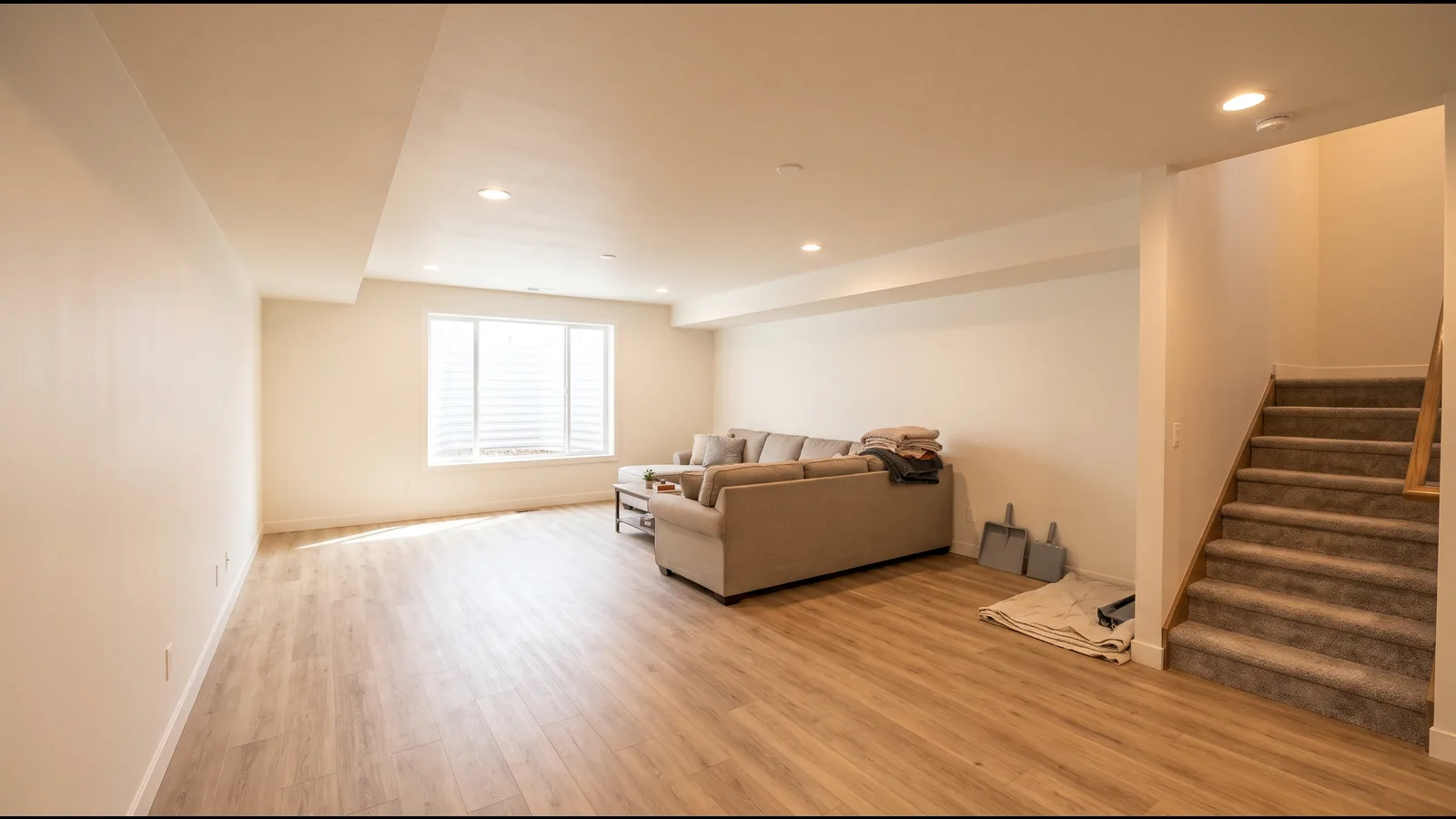
Radon Mitigation System Types for Pueblo Basements
EPA names four kinds of soil suction for homes with a basement or slab, and which one fits depends on what sits under and around the floor. CDPHE notes that a home's age and type don't predict whether its radon is high, so the method follows the slab, the sump and the walls, not the year the house was built.
Active Subslab Suction
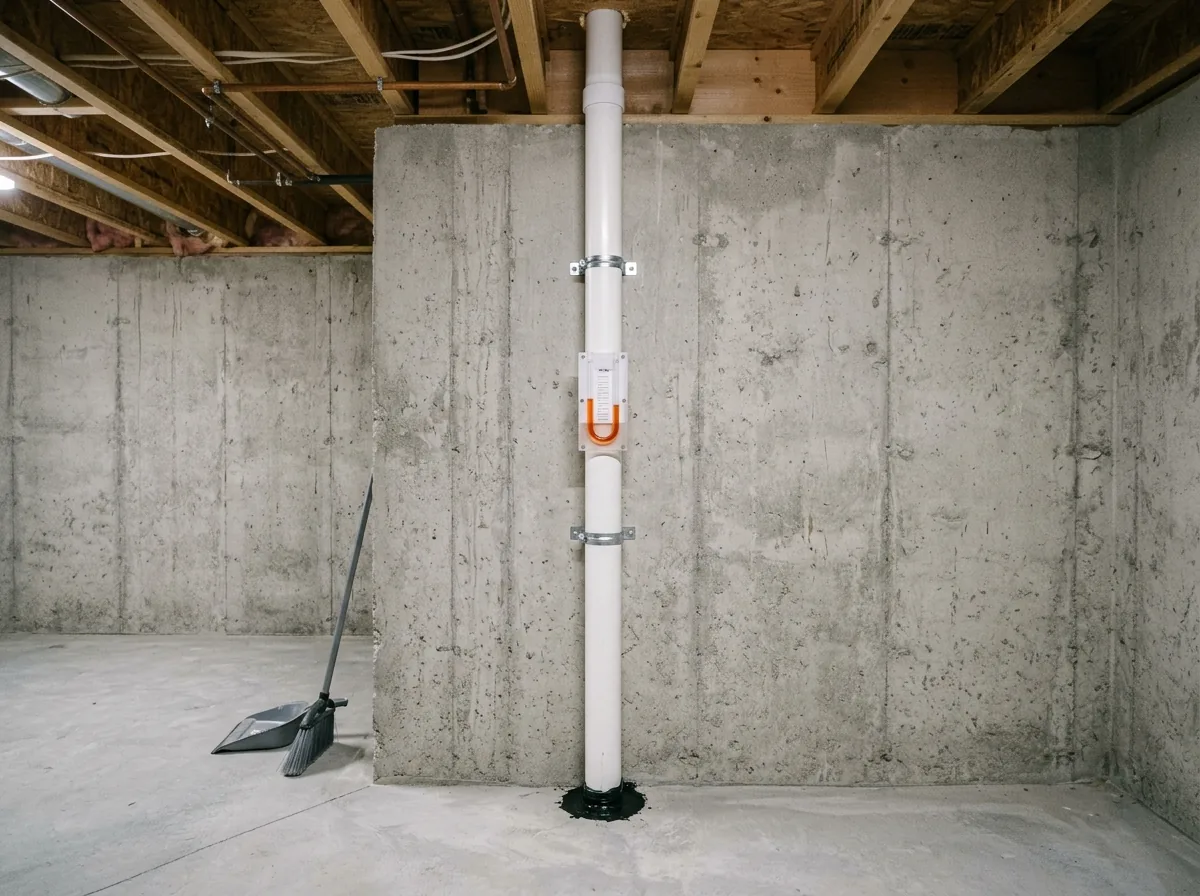
EPA calls subslab suction the most common and usually the most reliable method. One or more pipes go through the slab into the gravel or soil beneath, and a fan pulls the gas out and vents it outdoors. Often a single suction point is enough.
- Typical installed cost: $1,200 to $2,000, or $2,500 and up for larger homes (HomeGuide).
- Typical reduction: 50% to 99% (EPA).
- Fan location: an unconditioned attic or garage, or the outside of the house.
- In a finish: pick the pipe route through a closet, utility room or framed chase before any walls go up.
Sump-Hole Suction
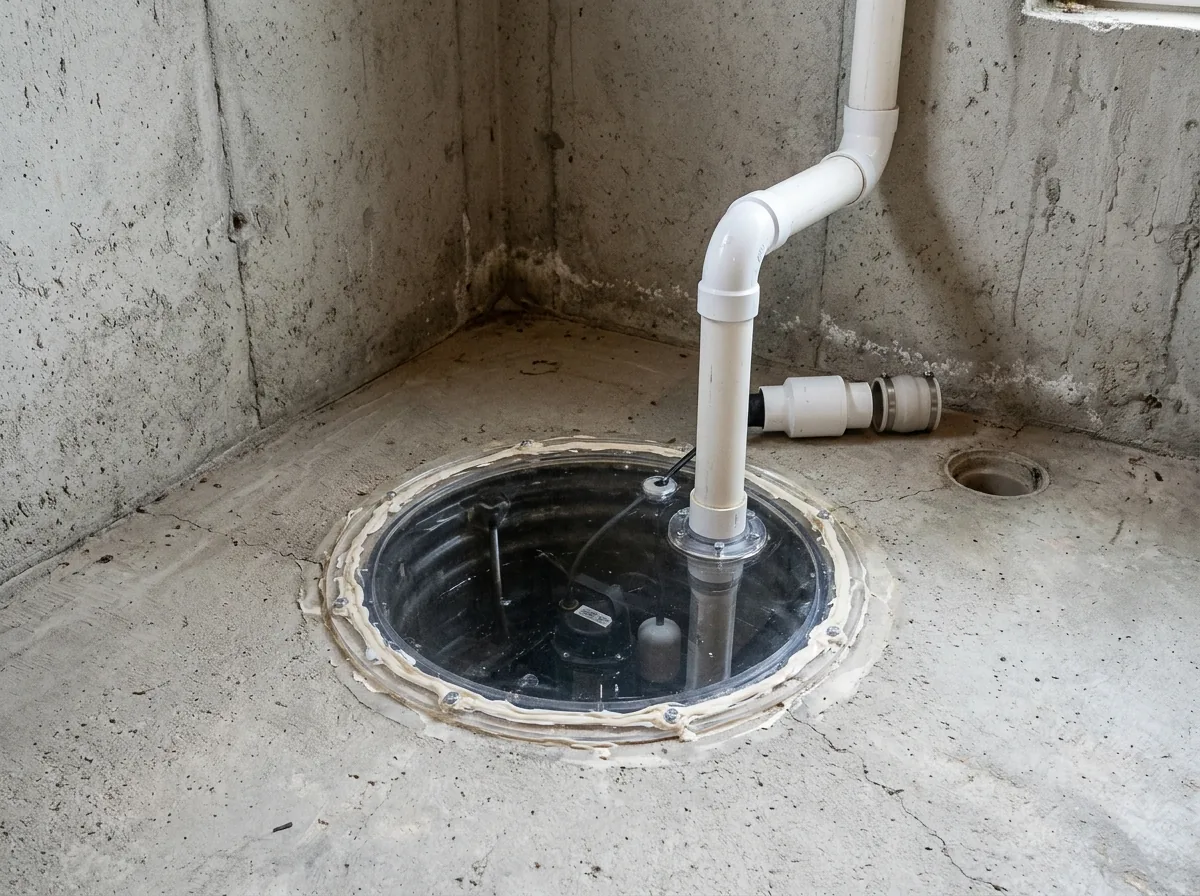
Where a basement has a sump pit, EPA says it can be capped so it keeps draining water and also serves as the suction point. CDPHE lists sump and drain openings among the common ways radon gets in.
- Sealing the sump and adding a cover: $900 to $2,500 (HomeGuide).
- Typical reduction: 50% to 99%, most effective when air moves easily from under the slab to the sump (EPA).
Drain-Tile Suction
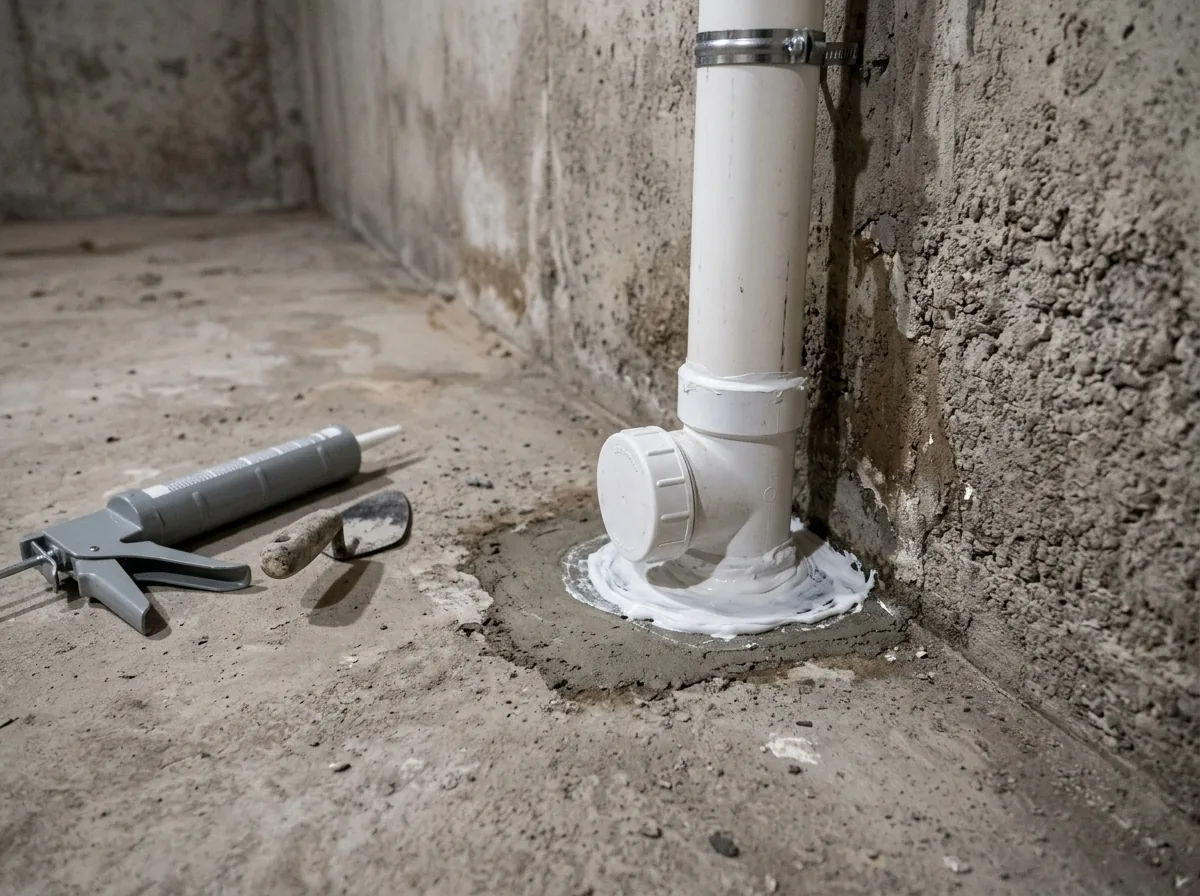
Some foundations have drain tile or perforated pipe around the footing. EPA says suction on that pipe is often effective and can work with a partial or full loop.
- Typical installed cost: $900 to $1,800 where a perimeter drain already exists (HomeGuide).
- Typical reduction: 50% to 99% (EPA).
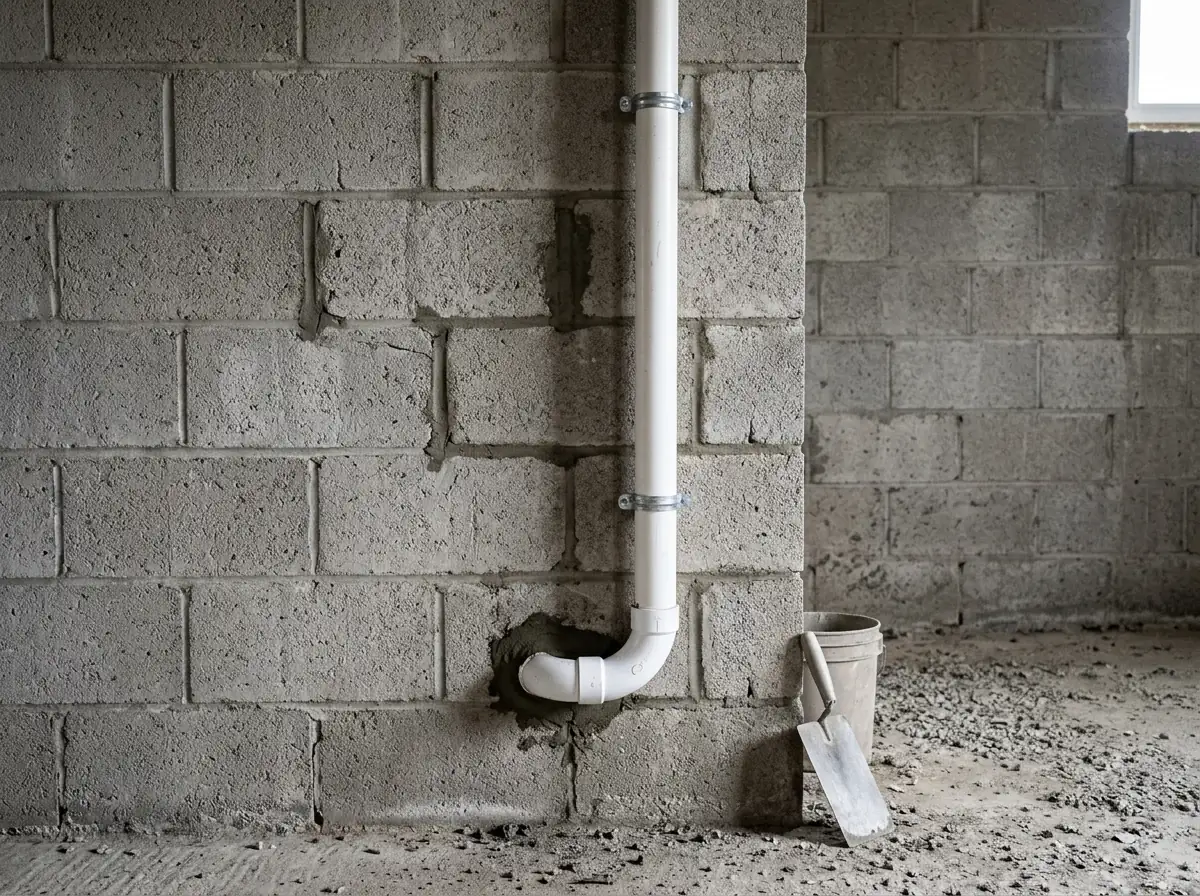
Block-Wall Suction
In basements with hollow concrete-block walls, EPA describes pulling the gas out of the block cores as well as from under the slab, often in combination.
- Typical installed cost: $1,800 to $3,000 (HomeGuide).
- What it needs: the major openings in the block wall sealed first (EPA).
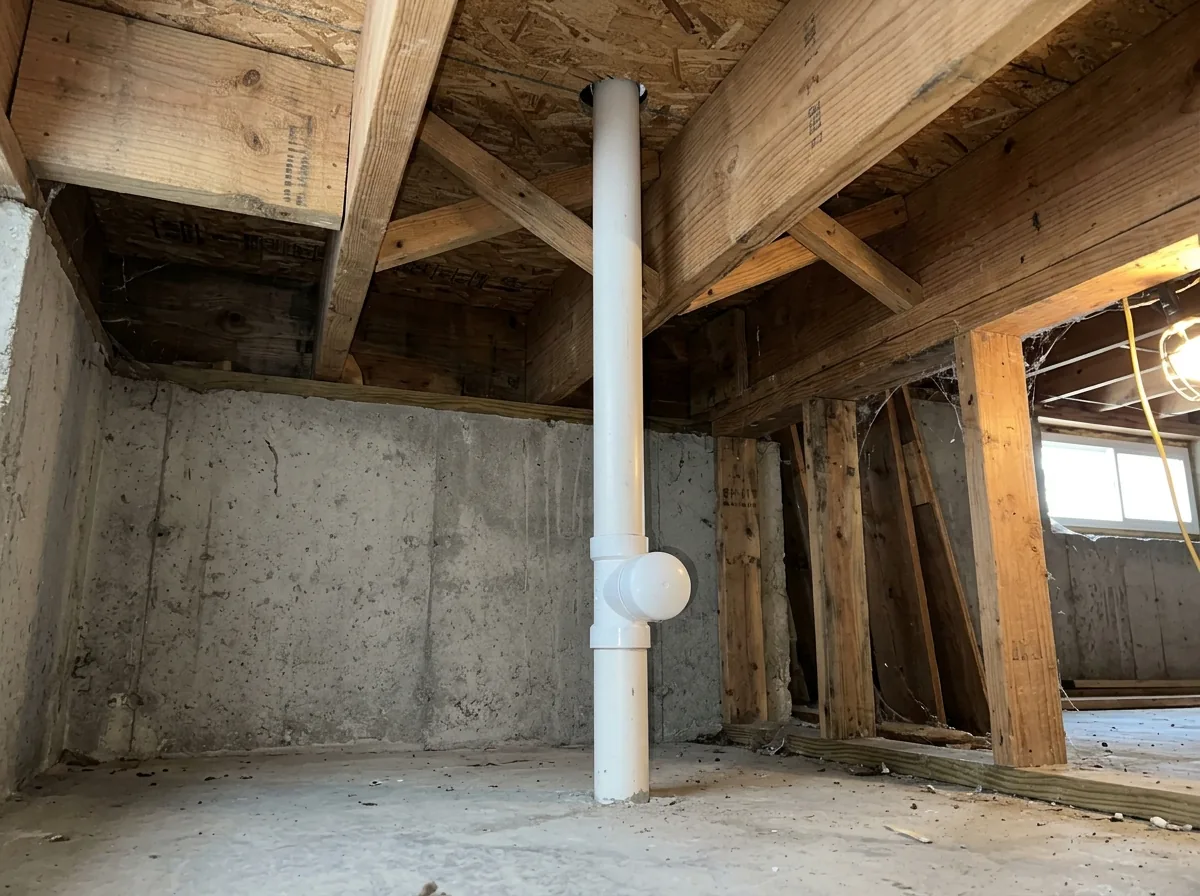
Activating a Passive System
Some newer homes were built with a passive pipe and no fan. EPA puts passive suction at 30% to 70% reduction, below an active system, and CDPHE says adding a fan to a passive system costs about $500.
- Check first: look for a capped pipe in the mechanical room or attic before pricing a new system.
Why Pueblo homeowners call Pueblo Basement Finishing
- Free to call or send the form
- One local contractor gets your request, not a bidding list
- Ask for each trade and the permit fee as its own line
- Tie payments to passed inspections, the last one to the final
Radon Mitigation Steps Before the Basement Is Finished
STEP 01
Test
EPA counts 2 to 90 days as a short-term test and more than 90 days as long-term. CDPHE sends one free kit per household per year, or a licensed tester charges about $150.STEP 02
Read the number
At 4 pCi/L or more, confirm with a second test. Between 2 and 3.9, a long-term test gives the clearer picture.STEP 03
Get bids
CDPHE suggests at least three, each with a written promise to bring levels below 4 pCi/L and at least a five-year warranty on the fan and the work. Ask the basement contractor whether they install the system or bring in a radon professional from CDPHE's licensed lookup.STEP 04
Install and seal
Sealing cracks and the wall-to-slab joint is part of most systems, but EPA doesn't recommend sealing on its own, because it hasn't been shown to lower radon reliably.STEP 05
Retest
Between 24 hours and 30 days after the fan starts, with a two- to seven-day test.STEP 06
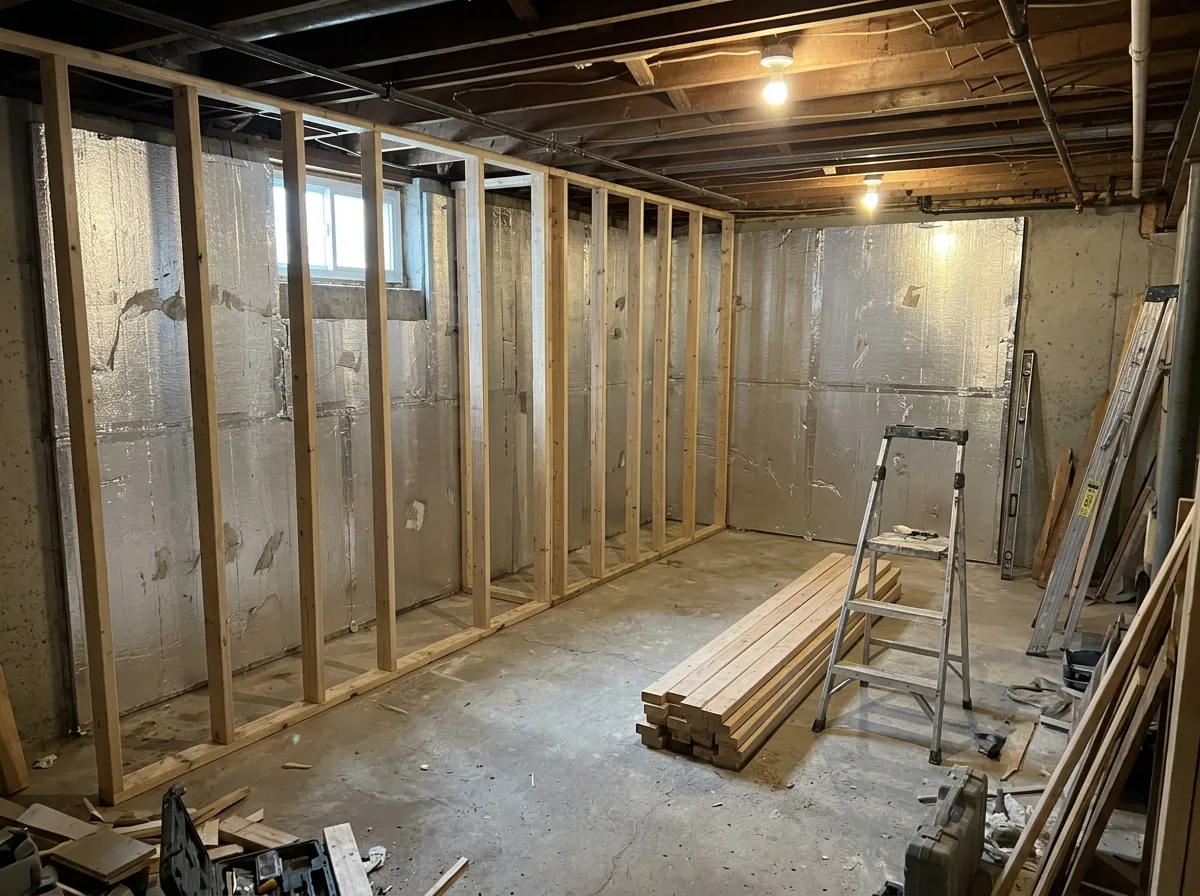
Then frame
Walls, insulation and drywall go up once the follow-up test passes, with the pipe and fan gauge left reachable. Framing on Pueblo's swelling clay has its own rules (basement framing).
Radon Mitigation Cost and Upkeep
System on an existing home
$1,300 to $3,000 (CDPHE). HomeGuide gives $1,200 to $2,000, with a national average of $1,600.Running cost
the fan draws about as much power as a 60-watt bulb, roughly $70 to $80 a year (HomeGuide).Fan life
EPA says fans last five years or more, and manufacturer warranties rarely go past five. HomeGuide puts piping at 20 to 50 years or more.Checks
read the gauge regularly, and leave the fan running at all times. EPA says it must run continuously for the system to work.Retesting
with a system in, CDPHE says a result under 2 pCi/L means retest in two years, and EPA suggests at least every two years.Help paying
CDPHE's Low Income Radon Mitigation Assistance program (LIRMA) helps eligible homeowners with the cost.
Radon Mitigation Rules and Records in Colorado
Risk
EPA maps Pueblo County as Zone 1, with a predicted indoor average above 4 pCi/L, and says every home should be tested regardless of zone. CDPHE finds about half of Colorado homes above 4 pCi/L.Licensing
since July 1, 2022, radon measurement and mitigation in Colorado must be done by a professional licensed by the state's Department of Regulatory Agencies (DORA). A mitigation license requires certification from a proficiency program, and Colorado law adopted the AARST industry standards.Permits
the basement finish itself needs a SoCoBD permit (how permits work). HomeGuide says a radon permit runs $25 to $150 where one is required, so ask SoCoBD whether one applies to your address.Sale records
Colorado home sales carry a radon disclosure (C.R.S. 38-35.7-112). Keep the pre-test, the post-mitigation test and the system paperwork together.
A basement bedroom or rec room is the lowest lived-in space in the house, so the radon plan comes before anything else on the list. We pass your test result and floor plan to the contractor. Ask for the pipe route, the fan location and the follow-up test written into the scope.